How do you know what food is best for your dog?
Overwhelmed by the endless choices and loud claims in the dog food aisle? Finding the best option for your pet comes down to asking a few simple, expert-backed questions.
Stand in front of the dog food shelf for long enough and you'd be forgiven for wanting to lie down in it. Kibble, cold-pressed, raw, wet, air-dried, gently cooked, grain-free, ancestral, ‘vet-recommended’, ‘as nature intended’ - the list goes on! Everyone's shouting, everyone's an expert, and your dog, bless them, would happily eat a discarded sock, so they're no help at all.
The good news is that ‘best’ isn't actually a mystery. It's not about the prettiest bag or the loudest claim. It comes down to a handful of sensible questions you can answer for yourself, backed by people who study this for a living. So, let's cut through the noise.
First things first: is it a complete diet?
This is the single most important word on any packet, and most people walk straight past it.
Under UK and EU law, pet food has to be labelled as either complete or complementary, and the difference matters enormously. A complete food is formulated to provide everything your dog needs in a day, all on its own. A complementary food is not - it's designed to be fed alongside other things, and feeding it as a sole diet can leave gaps. Treats, toppers, and some raw products fall into the complementary camp. This is a legal definition set out in EU Regulation 767/2009 (retained in UK law), not a marketing flourish. [1]
So, before anything else, turn the packet over or read the website and look for the word "complete." If it says "complementary," it isn't meant to be your dog's whole dinner.
Ingredients and Nutrition
Once you've found ‘complete’, check that the food is actually designed for your dog. Their age, weight, activity level, and even fussiness, are all factors in deciding what the best food is for them.
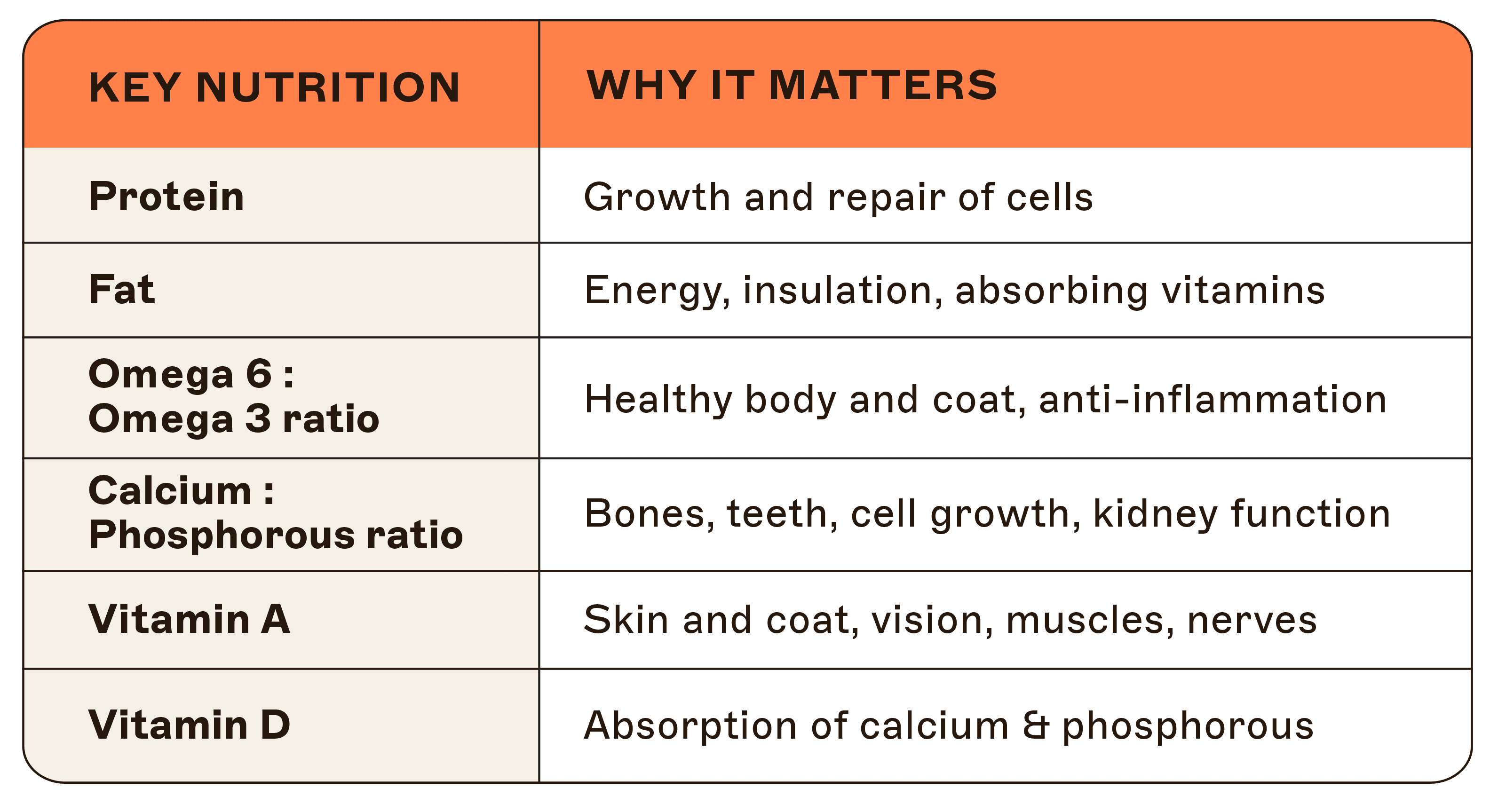
If you're unsure don’t worry - the FEDIAF (European Pet Food Industry Federation), set Nutritional Guidelines set out the minimum and maximum levels of protein, fat, vitamins, and minerals a dog needs at each stage of life. They're reviewed every year by an independent scientific board and updated as the science moves on - the most recent edition landed in 2025. [2][3]
What does the science actually say about fresh food?
Highly digestible
A growing body of peer-reviewed work suggests that fresh, minimally processed food is highly digestible. In a controlled study published in the Journal of Animal Science in 2021, researchers at the University of Illinois found that fresh and human-grade diets were more digestible than extruded kibble, and that dogs eating them produced significantly less waste. [4] A separate study comparing fresh and kibble diets of similar composition found the fresh diets had higher apparent total tract digestibility of dry matter, protein, and fat — and led to smaller, less frequent stools. [5]
Effective Nutrition Absorption
The more efficiently a dog absorbs the goodness in their bowl, the more of it actually reaches them rather than passing straight through. Earlier University of Illinois research (2018) similarly found lightly cooked, roasted fresh diets were more digestible than kibble, with some fresh and raw diets associated with lower blood triglyceride levels despite being higher in fat. [6]
Long-Term Benefits
There's also intriguing longer-term work. The University of Helsinki's DogRisk group, led by Dr Anna Hielm-Björkman, has followed thousands of Finnish dogs and found associations between eating more fresh, minimally processed food early in life and a lower incidence of chronic gut problems and allergic skin conditions later on. [7]
There is still a long way to go yet for long term studies. Fresh feeding is a younger field than kibble, and the evidence, while genuinely encouraging, is still building.
The vet-approved checklist
If you take nothing else from this, take the British Veterinary Association's own advice for choosing your dog's food: [8]
- Feed a complete diet - one designed to meet all your dog's dietary needs. Look for "complete" rather than "complementary" on the label.
- Read the label and check the food is designed for your dog - including species and life stage.
- Feed the right amount. Weighing portions accurately reduces waste and helps keep your dog at a healthy weight.
- Do your research before switching. Some new diets may appear to offer benefits but need more long-term evidence to prove this.
- Buy from a reputable company with safety checks and the correct standards in place. Around 90% of brands in the UK follow the FEDIAF guidelines.
- Keep an eye on your dog's health and talk to your veterinary team if you have any concerns. Let them know which diet you've chosen so they can help monitor it too.
So, where does that leave us?
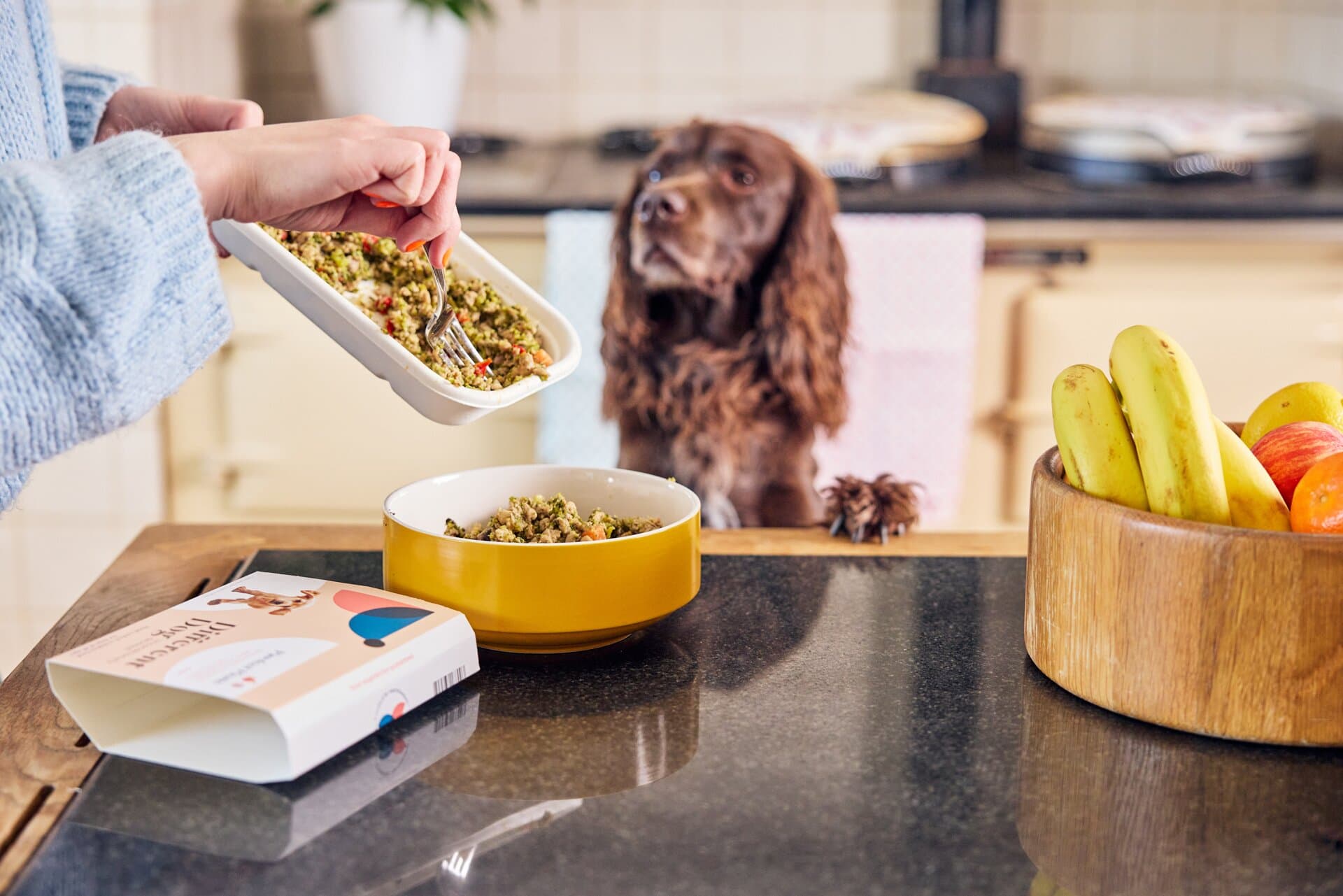
Fesh, gently cooked, complete food ticks the boxes that actually matter: it's formulated to meet your dog's full nutritional needs, it's highly digestible, and it's made from ingredients you can recognise. At Different Dog, that's exactly what we do - real food, gently cooked, portioned for your specific dog, and made to complete-diet standards so it can be their whole dinner with nothing missing.
But the ‘best’ food for your dog is the one that's complete, right for their life stage, fed in the right amount, made by people who do things properly, and, crucially, the one that keeps your dog on your sofa healthy and happy. Now that you know what to look for, you can pick with confidence. Your dog, meanwhile, is still eyeing up that sock.
Sources
- Regulation (EC) No 767/2009 on the placing on the market and use of feed (retained in UK law) — the legal basis for "complete" vs "complementary" feed classifications.
- FEDIAF — Nutritional Requirements. https://europeanpetfood.org/pet-food-facts/nutritional-requirements/
- FEDIAF — 2025 Nutritional Guidelines for Cats and Dogs. https://europeanpetfood.org/self-regulation/nutritional-guidelines/
- Do S, Phungviwatnikul T, de Godoy MRC, Swanson KS (2021). Nutrient digestibility and fecal characteristics, microbiota, and metabolites in dogs fed human-grade foods. Journal of Animal Science, 99(2). https://doi.org/10.1093/jas/skab028
- Apparent total tract nutrient digestibility and metabolizable energy in commercial fresh and extruded dry kibble dog foods (2021). https://www.ncbi.nlm.nih.gov/pmc/articles/PMC8279163/
- University of Illinois / Journal of Animal Science (2018) — digestibility and palatability of fresh and raw diets vs kibble. Summary: https://www.sciencedaily.com/releases/2018/08/180823171030.htm
- Hemida M, Vuori KA, et al. (2023). The effect of puppyhood and adolescent diet on the incidence of chronic enteropathy in dogs later in life. Scientific Reports. https://www.nature.com/articles/s41598-023-27866-z
- British Veterinary Association — advice for choosing your dog's food (as above, ref. 9).


Time for your dog to be Made Different.
Excellent
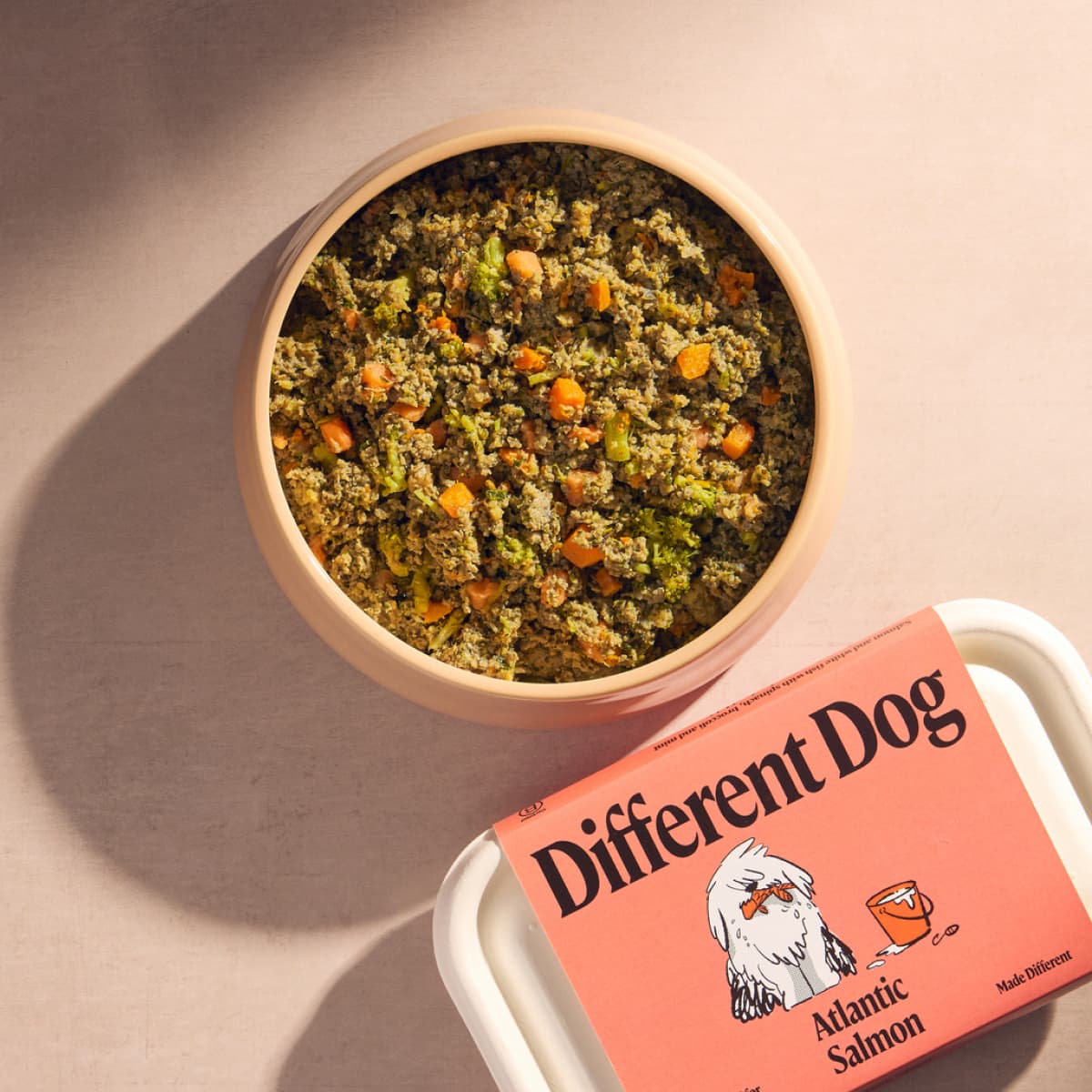
Salmon and white fish with spinach, broccoli and mint - an omega boost for pups who should shimmer.