The Great Glow Up: Your Dog's Complete Health Transformation Guide

It’s the month of fresh starts and goals. And while we're all figuring out our own routines, your dog’s glow-up is the one that genuinely works – no willpower required. A coat that gleams through grey January mornings, better digestion that you’ll see in their poos, and energy that radiates on even the dreariest winter walks.
A dog’s transformation starts with what you might see: that glossy coat and the brightness in their eyes. Yet what’s really happening goes much deeper. When your dog’s diet consists of gently-cooked fresh nutrition, you are supporting their entire wellbeing from the inside out.
This is a science-backed transformation that many dog parents see, feel, and experience. You may notice it in the spring to their step, the clarity in their eyes, and the way they engage during playtime. Your vet might notice it. Your friends might notice it. And unlike an abandoned gym membership, your dog’s wellness journey often unfolds naturally, visibly, and with genuine results.
💡 The 60-Second Glow Up Summary
The Quick Facts:
- The Goal: Move beyond fleeting resolutions to provide your dog with long-term, visible wellness.
- The Science: Gently-cooked ingredients support the gut-brain connection and the skin barrier.
- The Timeline: While every dog is unique, digestive shifts can appear in Week 1, with coat and mood changes typically following between Weeks 4 and 8.
What You’ll Learn in This Guide:
- Visual Markers: How to "read" your dog's coat and eyes to assess internal health.
- The Bioavailability Factor: Why gently-cooked protein supports the body differently to highly processed alternatives.
- The Gut-Brain Link: How fresh nutrition can naturally support a calmer, more focused temperament.
- The Milestones: A week-by-week guide to the physical and emotional changes you might observe.
Meet Your Glow Up Guides
Three Experts Revealing the Full Picture
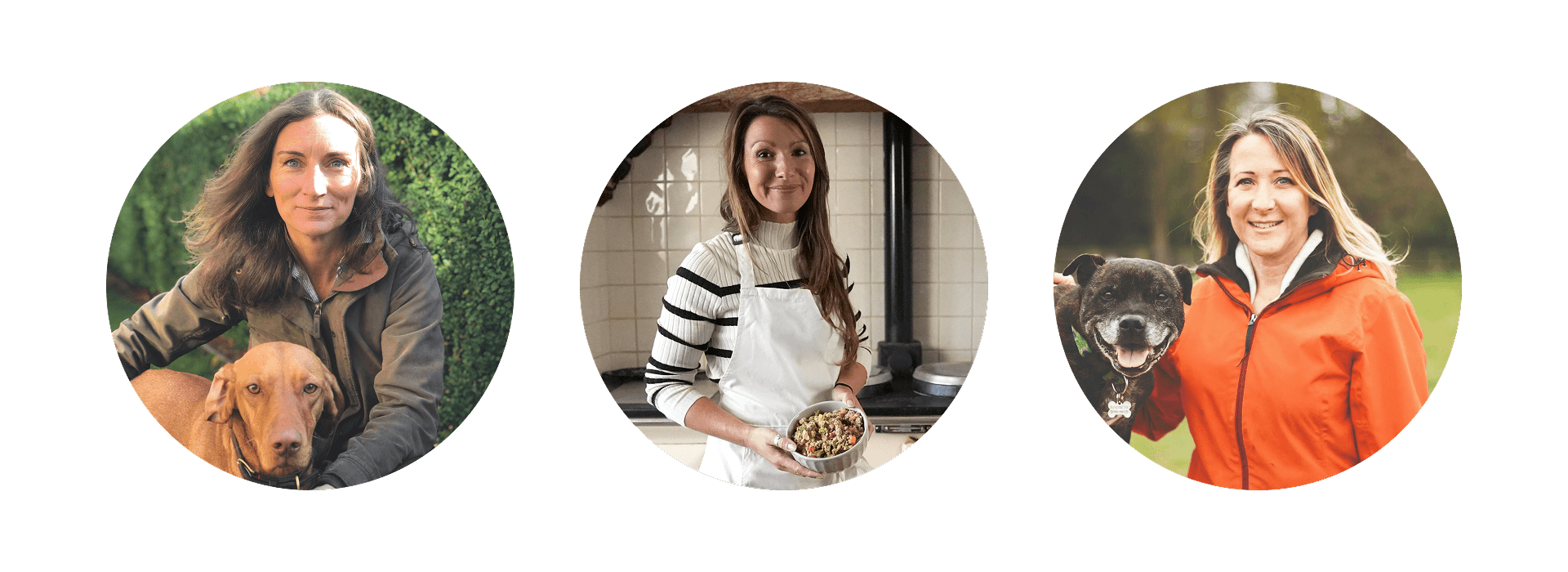
- Dr. Alison, Vet (MA, VetMB, MRCVS): A veterinarian that believes in the power of preventative nutrition and wellness.
- Bianca, Pet Nutritionist (PGDip Nutrition & Canine Nutrition, MSFTR, CPN): Deep-dives into bioavailability and ingredient science.
- Diane, Canine Behaviourist and Trainer (APDT, IMDT): Explores how diet shapes emotional wellbeing.
Together, they will walk you through the three dimensions of your dog’s transformation: the visual, the physical, and the emotional.
The Visual Glow: Why Your Dog's Coat, Eyes & Skin Tell The Real Story
When people talk about a dog’s glow up, they are usually referring to one thing: that unmistakable shine in their coat. But what you are really seeing goes deeper; it is often the evidence of internal thriving.
A dull, dry, or flaky coat can signal that your dog’s body is struggling nutritionally. A glossy, vibrant coat shows your dog’s body has the resources to prioritise health at every cellular level.
Dr. Alison explains: "Skin and coat health is one of the most reliable external indicators of internal wellness. When a dog’s nutritional needs are met with bioavailable ingredients, their body can allocate resources toward maintaining a strong skin barrier and producing that healthy shine."

The Nutritional Foundation Behind a Gleaming Coat
- Omega-3 Fatty Acids: These essential fats are the cornerstone. They reduce inflammation, support skin barrier function, and create that glossy appearance. Unlike processed foods where omega-3s are destroyed by high-heat processing, fresh recipes preserve these nutrients in their active form.
- High-Quality Proteins: These provide the amino acids needed for strong hair growth and skin repair. When proteins are gently cooked rather than intensely processed, they remain bioavailable. Your dog’s body can actually use them.
- Whole Food Ingredients: Human-grade meat, vegetables and fruits deliver micronutrients (such as zinc, selenium, B vitamins) that processed kibble simply cannot replicate in bioavailable form.
The result? Within 4 to 8 weeks, many dog parents report noticeably softer fur, reduced shedding, and that shine that catches the light.
Beyond the Coat: Bright Eyes & Clear Skin
The visual transformation often extends well beyond coat quality. Dog parents frequently report:
- Brighter, healthier eyes: Brighter, healthier eyes with plentiful Vitamin A found in carrots, sweet potato, and spinach.
- More alert eyes: A sign of stable energy and clear circulation.
- Clearer skin: Reduced itchiness, redness, or flaking. If your dog was scratching before, that often stops. The relief can be visible.
The Physical Glow: How Fresh Nutrition Transforms How Your Dog Functions
When people talk about a dog’s glow up, they are usually referring to one thing: that unmistakable shine in their coat. But what you are really seeing goes deeper; it is often the evidence of internal thriving.
A dull, dry, or flaky coat can signal that your dog’s body is struggling nutritionally. A glossy, vibrant coat shows your dog’s body has the resources to prioritise health at every cellular level.

Physical transformation begins immediately but unfolds gradually. Within the first week, your dog’s digestion often shifts. By weeks 2 to 4, energy changes can become noticeable. By week 8, their entire physical presence may transform.
Digestion: The Foundation of Everything Else
- When digestion is poor: Your dog’s body struggles to break down unrecognised food. Nutrients slip through unabsorbed and the gut becomes inflamed. Energy that could fuel movement goes toward managing digestion instead.
- When digestion is optimised: Your dog’s body recognises the food, breaks it down efficiently, and absorbs nutrients fully. The gut calms and energy becomes available for everything else.
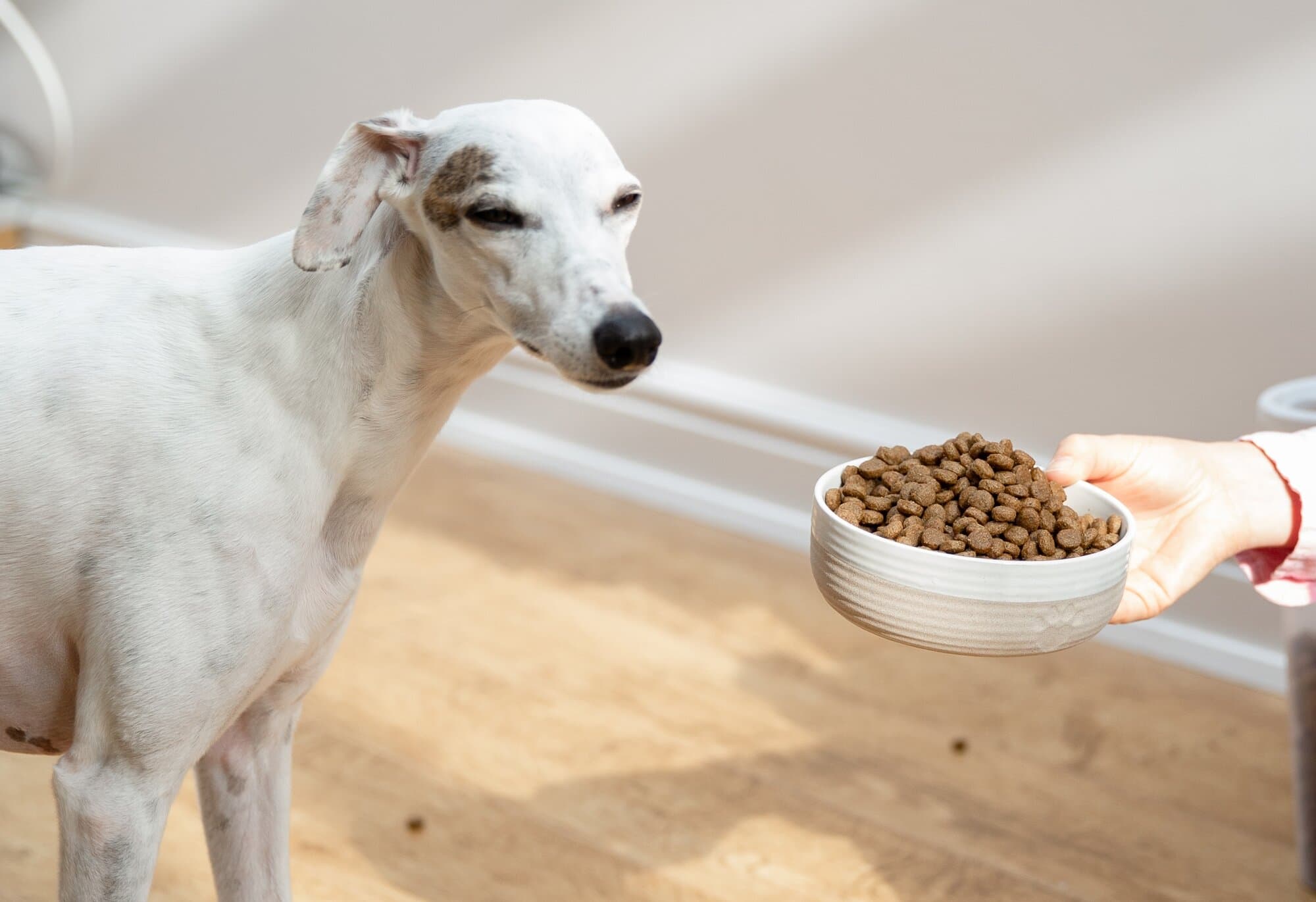
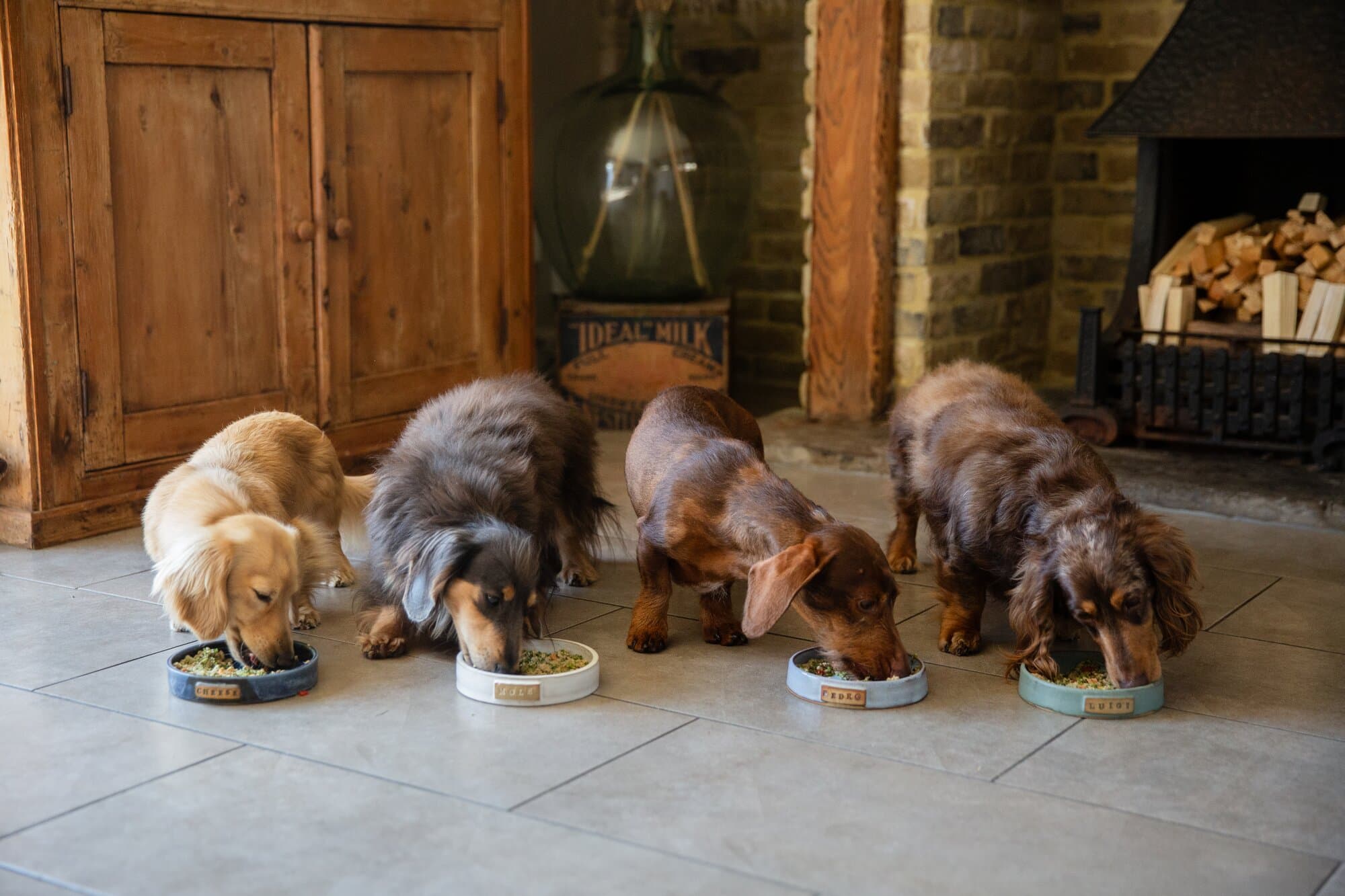
Within week one, you may notice the shift: bowls licked clean, excitement at mealtimes, and stools that are firmer and less smelly.
Bianca describes the process: "Fresh food contains whole proteins and fats that the digestive system recognises immediately. Compare this to kibble, where proteins have been highly processed and often damaged. The digestive system has to work much harder to extract nutrients from kibble. With fresh food, you are providing nutrient density in a form the body can process efficiently."
Energy and Stamina
By weeks 2 to 4, dogs may move differently and recovery after activity can improve. This involves blood sugar stability. Processed food creates energy fluctuations: rapid carbohydrate spikes cause hyperactivity, while sudden crashes cause fatigue and irritability. Fresh food delivers slow-release energy from complex fruit and vegetable carbohydrates and quality proteins. Blood sugar stays stable and your dog maintains steady energy throughout the day.
Joint Health and Body Condition
- Joint Resilience: Omega-3 Fatty Acids reduce joint inflammation. Within weeks, dogs move with better flexibility, particularly visible in senior dogs struggling with post-rest stiffness.
- Metabolism: Body condition often stabilises around week 8. Many dog parents notice their dog reaches an ideal weight and maintains healthy muscle tone without excessive fat.
Dr. Alison emphasises: "The improvements in energy and movement reflect the entire digestive system working optimally. When a dog’s gut is calm and functional, nutrient absorption improves across the board. Joints get the minerals they need and muscles get the amino acids they need."
The Emotional Glow: Behaviour, Mood, And Neurochemistry
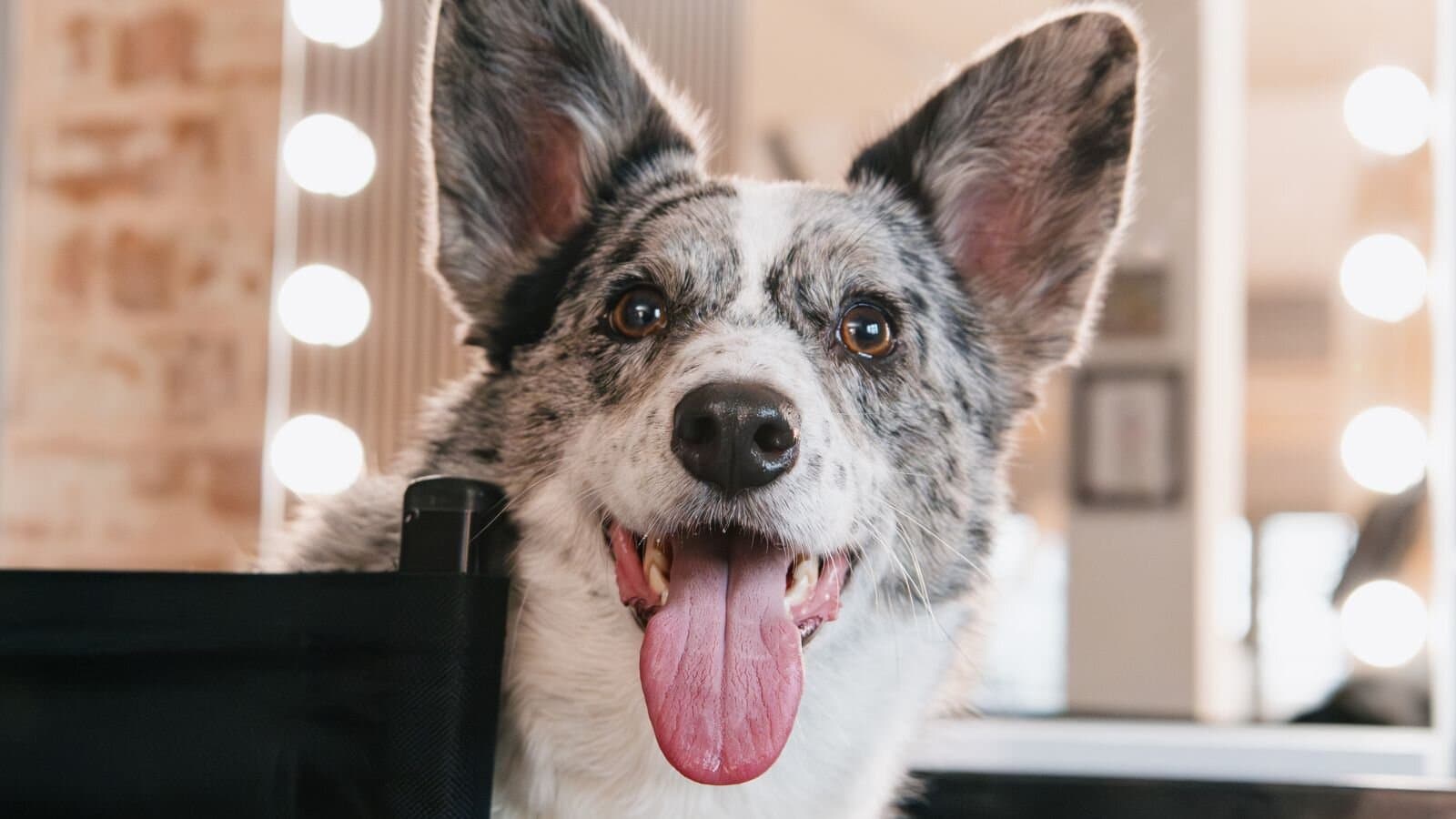
This transformation often surprises people most. You may notice your dog's personality shifts: they can become calmer overall, more focused in training, and more genuinely present.
The Gut-Brain Connection
The gut produces approximately 90% of your dog’s serotonin and the neurotransmitters that regulate mood, anxiety, and focus.
- When digestion is compromised: Your dog’s brain needs specific nutrients to make the chemicals that control mood. Without them, serotonin production drops and anxiety can increase.
- When fresh nutrition optimises digestion: The nervous system receives the building blocks it needs for calmer, more focused behaviour.
Diane explains: "Behaviour and temperament are largely determined by how well a dog’s nervous system is functioning. The right nutrients allow the brain to regulate mood, impulse control, and focus. When nutrition improves, the nervous system can do its job properly and dogs naturally become calmer and more present."
Nutrient Foundation for Mental Health
- Amino Acids: Building blocks the brain needs to function properly.
- B Vitamins: Essential for keeping the nervous system calm and regulated.
- Magnesium and Zinc: Support the nervous system to stay stable.
- Omega-3 Fatty Acids: Support brain function to help manage impulses and regulate emotions.
The Complete Transformation Timeline
Timeline
What You Might Observe*
Week 1
Improved digestion; firmer, less odorous stools; genuine excitement at mealtimes.
Weeks 2-4
Increased zest for life; initial coat brightening; better focus during daily activities.
Weeks 4-8
Noticeably softer fur; brighter, healthier eyes; improved joint flexibility; more stable mood.
Week 8+
Established "peak condition"; maintained healthy weight; long-term physical resilience.
*Every Dog Is Different: This timeline acts as a guide for how your dog’s glow up could look. However, every dog is unique. Factors like age, previous diet, and individual metabolism all play a role in how dietary benefits will present themselves. But here at Different Dog, we’re here to help you navigate the journey. From offering bespoke guidance, helping you create a personalised plan or specialist wellness support - we’re here to help.
Time for your dog to be Made Different.
Excellent
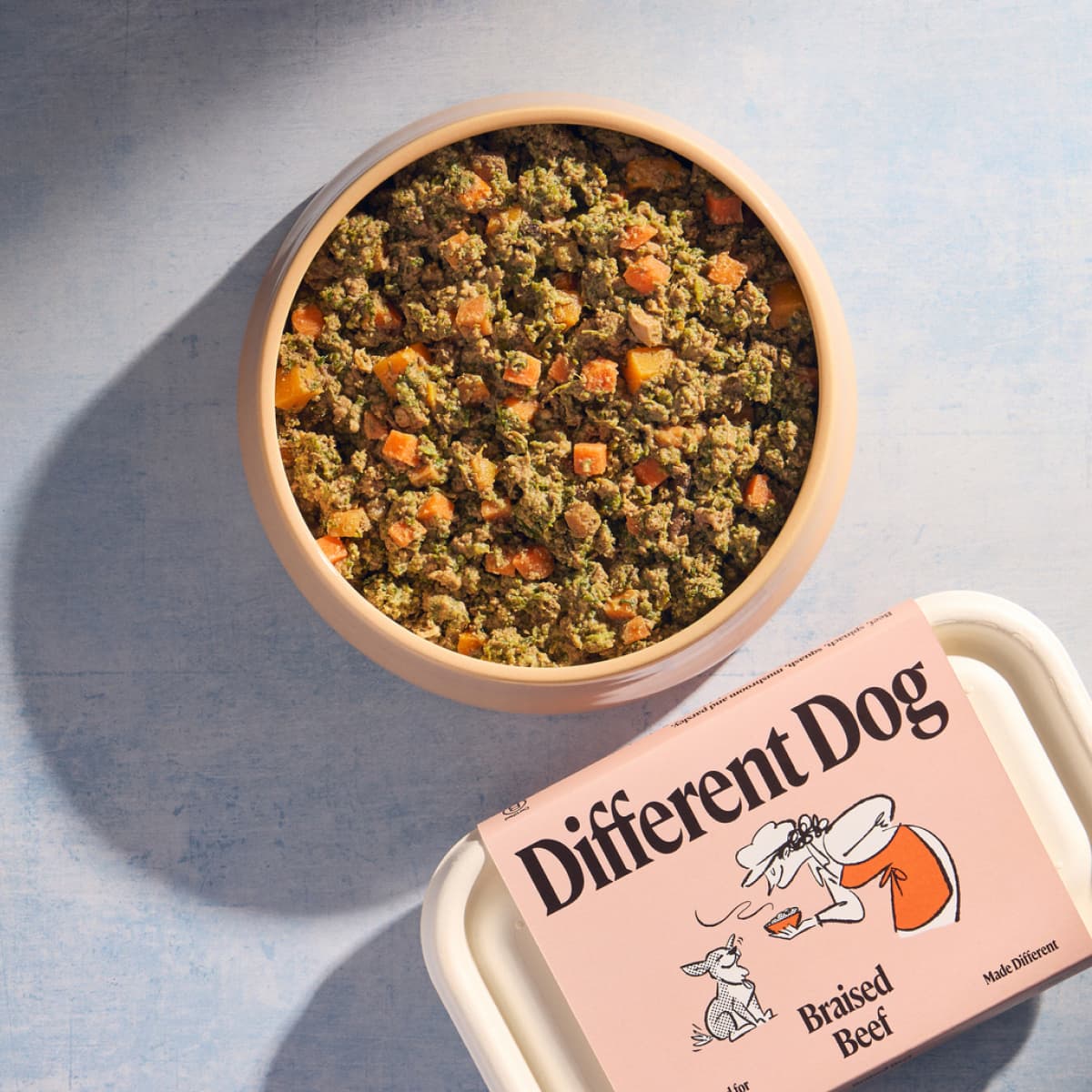
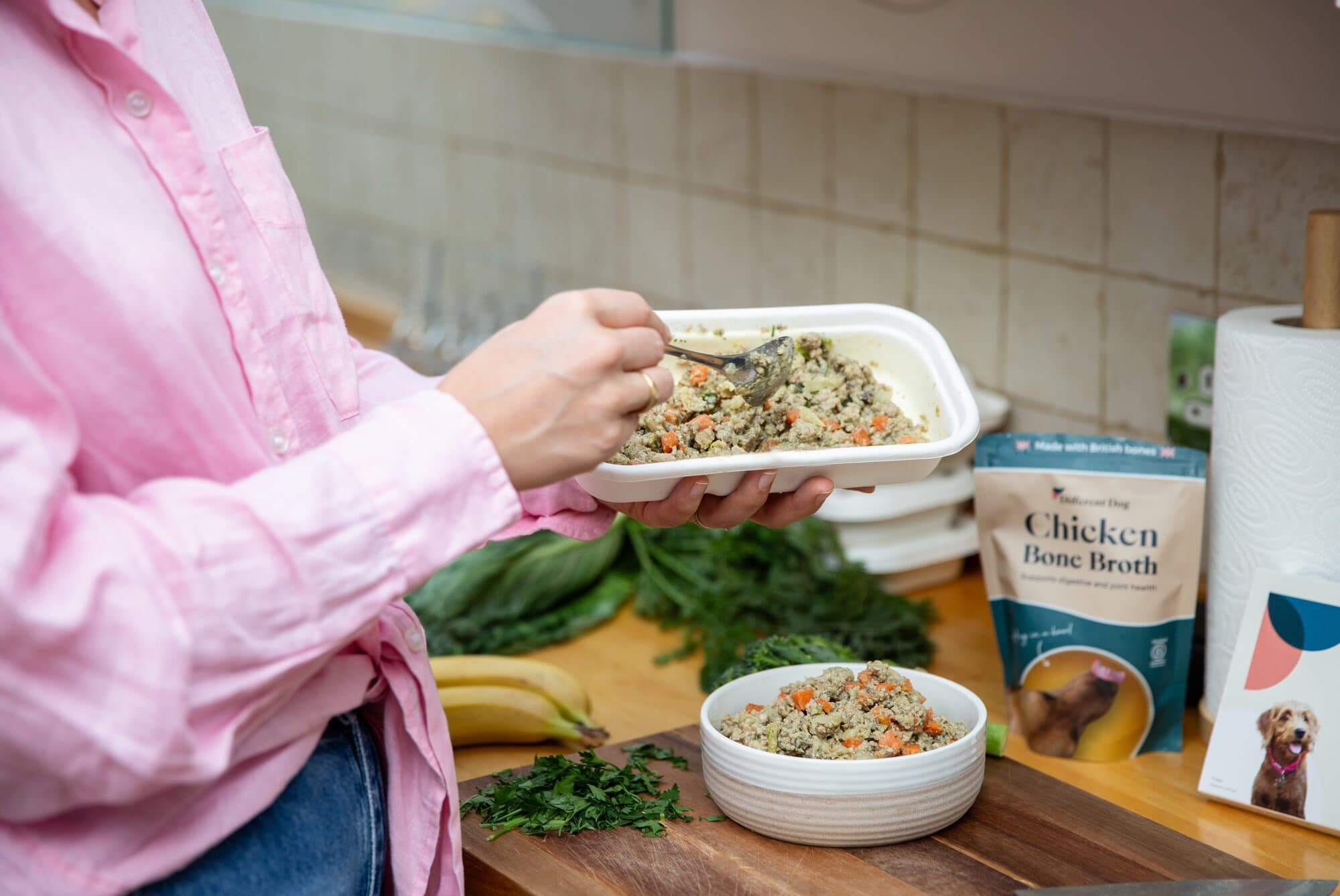
Beef, spinach, squash, mushroom and parsley. Slow-braised, because good things really do take time.