Dog Joint Health: Prevention and Natural Solutions

Learn how to prevent dog joint problems and discover natural solutions that work, including diet changes and proven supplements that enhance the vitality and longevity of your dog.
At Different Dog, we see it every day - when your once-bouncing companion hesitates at the bottom of the stairs, or when your beloved dog takes a little longer to get up from their favourite sleeping spot. We understand that your dog isn't just a pet; they're family. And when they're uncomfortable, you feel it too. That's why we're passionate about helping dogs live their happiest, most comfortable lives through natural nutrition and proven supplements. Whether your dog is a playful puppy whose joints you want to protect for the future, or a cherished older companion who deserves all the comfort and mobility support we can provide, we're here to help you give them exactly that.
Recognising the Signs of Dog Joint Problems
As loving dog owners, we want to catch any joint issues early to keep our dogs comfortable and mobile. Joint problems can develop gradually, so knowing what to look for is crucial for your dog's wellbeing.
Common signs your dog may have joint issues
Watch out for these early warning signs that could indicate joint discomfort:
- Stiffness, particularly after rest or first thing in the morning
- Reluctance to jump onto furniture or into the car
- Slower on walks or tiring more easily than usual
- Difficulty with stairs or hesitation when going up or down
- Changes in gait or limping, even if intermittent
- Less enthusiasm for play or favourite activities
- Taking longer to get up from lying down
- Behavioural changes such as irritability when touched in certain areas
- Changes in coat direction or texture
The earlier you spot these signs, the more effectively you can support your dog's joint health.

What Causes Joint Problems in Dogs?
Understanding why joint issues develop helps us prevent them and choose the most effective natural solutions. Our in-house vet Alison (MA, VetMB, MRVCS) explains that several factors contribute to joint problems in dogs:
- Age-related wear and tear: Just like humans, dogs experience natural joint wear over time. Cartilage can thin, and joints may become less flexible as dogs age.
- Breed predisposition: Larger breeds such as German Shepherds, Labradors, and Golden Retrievers are more prone to joint issues due to their size and genetic factors. However, smaller dogs aren't immune and can also develop joint problems.
- Lifestyle factors: Excess weight puts additional strain on joints. Lack of exercise can lead to weak supporting muscles. Too much high-impact exercise in young dogs can cause future problems. Previous injuries may contribute to joint issues later in life.
- Nutritional factors: Poor nutrition during puppyhood can affect proper joint development, whilst ongoing nutritional deficiencies may contribute to joint deterioration over time.
- Seasonal changes: When the weather gets a little cooler and damper, it can sometimes lead to achier, stiffer joints.
How Can I Prevent Joint Problems in My Dog?
Prevention is always better than treatment, and there's so much you can do to keep your dog's joints healthy throughout their life.
Start early with proper nutrition
Puppies and young dogs benefit enormously from high-quality nutrition that supports proper bone and joint development. Fresh, species-appropriate food provides the building blocks for strong, healthy joints.
Maintain an optimal weight
Even a few extra pounds can significantly impact your dog's joints. Maintaining a healthy weight is one of the most important things you can do for your dog's joint health.
Provide appropriate exercise
- Puppies: Avoid excessive jumping or long runs until growth plates close
- Adult dogs: Regular, moderate exercise builds muscle strength that supports joints
- Senior dogs: Gentle, consistent activity keeps joints mobile
Consider your dog's environment
Provide comfortable sleeping areas, non-slip surfaces on smooth floors, and ramps or steps to reduce jumping on and off furniture.

Natural Solutions for Dog Joint Problems
If your dog is already showing signs of joint discomfort, don't despair. There are many effective natural approaches that can make a real difference to their comfort and mobility.
The power of anti-inflammatory nutrition
Diet plays a fundamental role in managing joint health. Fresh, minimally processed foods contain natural anti-inflammatory compounds that can help reduce joint inflammation and support healing.
Key nutritional approaches include:
- Omega-3 fatty acids from fish and other marine sources help reduce inflammation
- Antioxidant-rich ingredients combat free radicals that can damage joint tissues
- High-quality protein supports muscle mass that protects joints
- Natural glucosamine and chondroitin from whole food sources support cartilage health
Lifestyle modifications that help
Simple changes can make a big difference:
- Gentle, regular exercise like swimming or short, frequent walks
- Weight management to reduce joint stress
- Comfortable bedding that supports joints during rest
- Warm, dry sleeping areas as cold and damp can worsen joint stiffness
- Massage and gentle stretching to improve circulation and flexibility
The role of targeted supplementation
While nutrition forms the foundation, specific natural supplements can provide additional targeted support for joint health.
Green Lipped Mussel: A Science-Backed Natural Solution
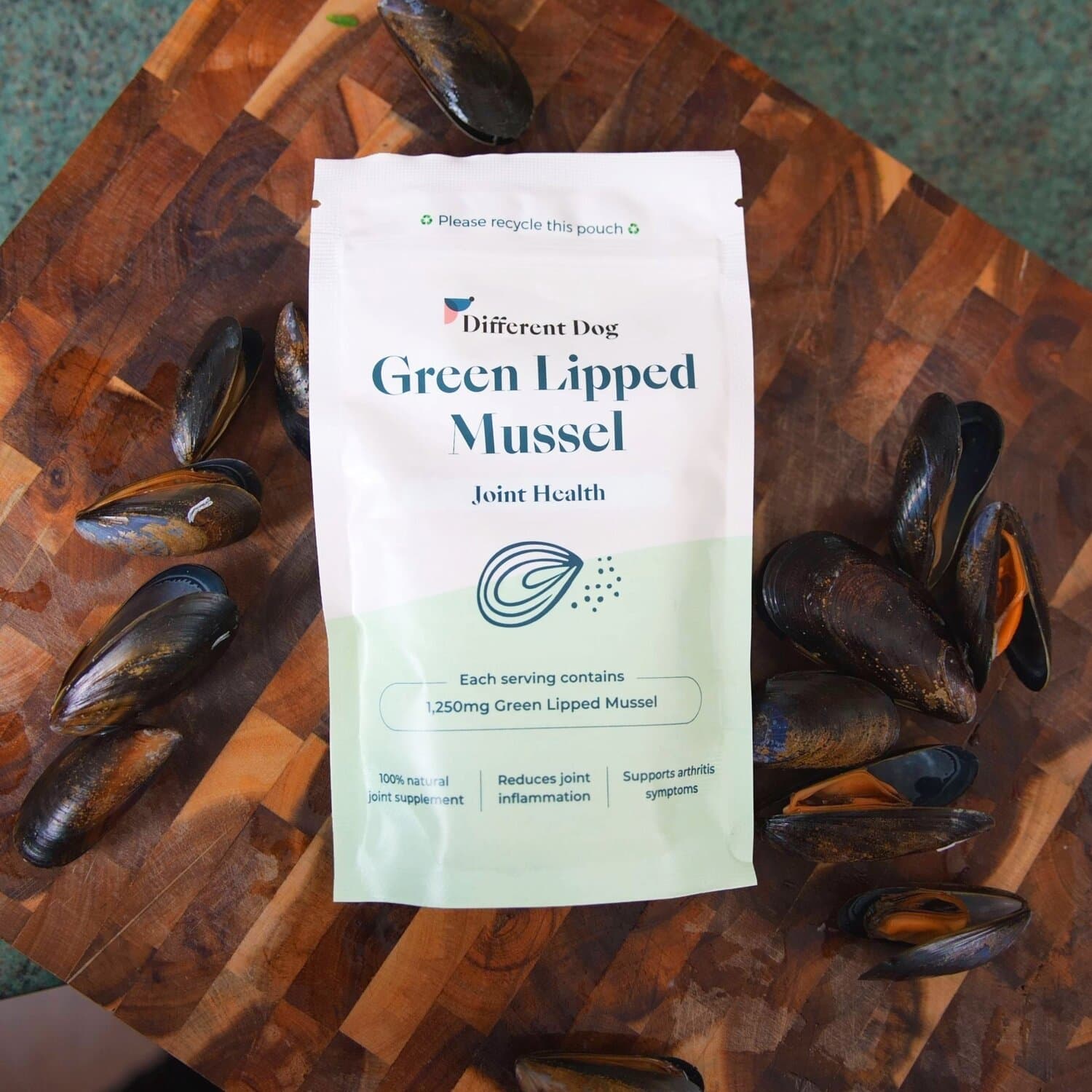
One of the most promising natural supplements for dog joint health is Green Lipped Mussel (GLM). This remarkable shellfish, native to New Zealand's pristine waters, has gained recognition for its powerful joint-supporting properties.
What makes Green Lipped Mussel special?
Green Lipped Mussel is unique because it contains a perfect combination of naturally occurring compounds that work together to support joint health:
- Naturally occurring glucosamine and chondroitin: Essential building blocks for healthy cartilage
- Omega-3 fatty acids: Powerful natural anti-inflammatory compounds
- Glycosaminoglycans: Important structural components of cartilage and joint fluid
Proven benefits for dogs with joint problems
Clinical research has demonstrated that Green Lipped Mussel can provide real benefits for dogs with joint issues:
- Reduces joint inflammation and pain associated with osteoarthritis
- Improves mobility and reduces stiffness
- Supports cartilage health and joint function
- Aids mobility in stiff joints naturally and gently
Prevention and early intervention
Green Lipped Mussel isn't just for dogs with existing problems. Using it as a preventative supplement can help support joint health before issues arise, particularly valuable for:
- Larger breeds prone to joint concerns
- Adult dogs before they reach their senior years
- Active dogs who put extra demands on their joints
How does Green Lipped Mussel compare to other joint supplements?
What sets Green Lipped Mussel apart is its comprehensive, natural approach:
- Single, whole food ingredients rather than synthetic compounds
- Multiple active compounds working together synergistically
- Extensive scientific backing with studies showing real improvements
- Excellent safety profile with little to no reported side effects
- Easy administration as a powder that mixes into food
Green Lipped Mussel should be used with caution with some health conditions. We recommend seeking veterinary approval before beginning a new supplement.
Fresh Food: The Foundation of Joint Health
While supplements like Green Lipped Mussel provide targeted support, the foundation of good joint health lies in what your dog eats every day. Fresh, species-appropriate nutrition offers several advantages for joint health. Our in-house canine nutritionist Bianca (PGDip Nutrition & Canine Nutrition, MSFTR, CPN), explains why:
Superior nutrient bioavailability
Fresh ingredients are more easily absorbed and utilised by your dog's body compared to heavily processed alternatives, ensuring they get maximum benefit from joint-supporting nutrients.
Natural anti-inflammatory compounds
Fresh foods contain naturally occurring anti-inflammatory substances that help manage the inflammation often associated with joint problems.
Better weight management
Fresh food diets are often more satisfying for dogs due to the natural aromas, textures and taste. A diet of fresh food is also more nutrient dense and less calorie-heavy compared to traditional kibble.
No unnecessary additives
Fresh food avoids artificial preservatives and fillers that might contribute to inflammation in sensitive dogs.
At Different Dog, our fresh recipes are carefully crafted with joint health in mind, incorporating ingredients known to support mobility and comfort naturally.

Creating a Comprehensive Joint Health Plan
The most effective approach to dog joint health combines multiple supportive strategies tailored to your dog's individual needs.
For prevention (young to middle-aged dogs):
- High-quality fresh nutrition as the foundation
- Appropriate exercise and weight management
- Consider preventative Green Lipped Mussel supplementation, especially for larger breeds
- Regular vet check-ups to catch any issues early
For dogs with existing joint concerns:
- Fresh, anti-inflammatory nutrition
- Targeted Green Lipped Mussel supplementation
- Gentle, appropriate exercise
- Comfortable living environment modifications
- Regular monitoring and vet support
Why the combination works
Nutrition and supplementation can work hand in hand. Fresh food provides the broad nutritional foundation your dog needs for overall health, while targeted supplements like Green Lipped Mussel offer specific, concentrated support where it's needed most.
Taking the Next Step for Your Dog's Joint Health
Whether you're looking to prevent future joint problems or support a dog already experiencing discomfort, taking action now can make a significant difference to your dog's quality of life.
Every dog deserves to move comfortably and enjoy their favourite activities throughout their life. By combining the power of fresh, species-appropriate nutrition with targeted natural supplements, you're giving your dog the best possible foundation for healthy, mobile joints.
Ready to give your dog the comprehensive joint support they deserve? Our personalised fresh food plans are designed with your dog’s health and happiness in mind, using natural, ingredients that support your dog's overall wellbeing. Our team can also guide you on the best supplements, including our science-backed Green Lipped Mussel, to complement their fresh food plan.
Start your dog's journey to better joint health with a tailored Different Dog plan today, and give them the comfort and mobility they need to live their happiest life.
Time for your dog to be Made Different.
Excellent
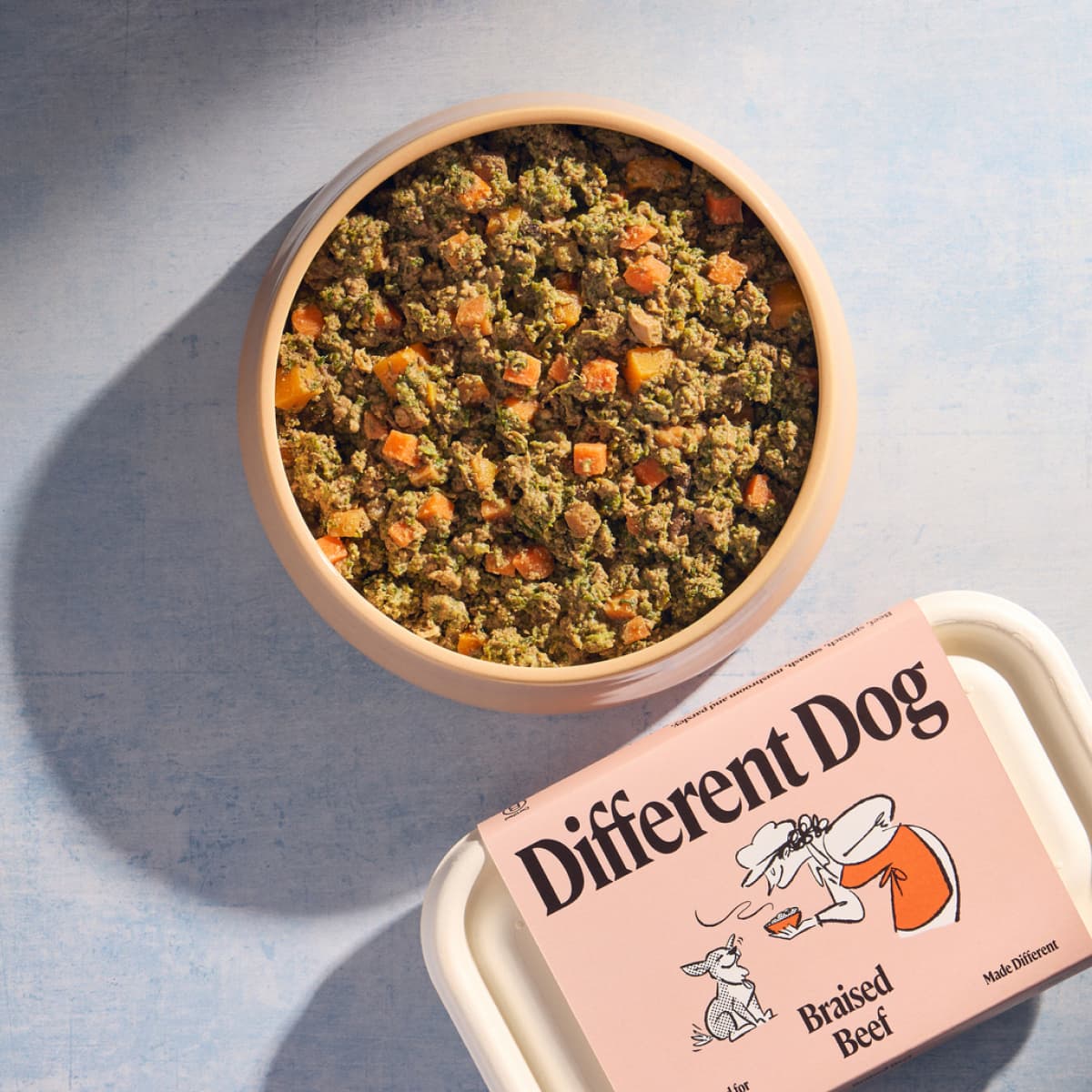
Beef, spinach, squash, mushroom and parsley. Slow-braised, because good things really do take time.